

DOT Physical Exam for Commercial Driver License - FAQ

A medical card can decide whether a driver stays on the road, gets delayed, or has to stop driving until a health issue is documented. That is why the DOT medical exam matters so much. It is not just another appointment. It is a required safety check for many drivers who operate commercial motor vehicles.
The DOT Physical Exam confirms that a driver is medically fit to operate safely. For many drivers, the biggest concern is not the exam itself. It is what happens if they have high blood pressure, diabetes, sleep apnea, heart disease, vision problems, hearing loss, or another preexisting medical condition.
The good news is that many medical conditions do not automatically disqualify a driver. The key is preparation, documentation, and working with a qualified medical provider before the exam date.
This guide explains what the DOT physical includes, what the examiner checks, how preexisting conditions are reviewed, and how to prepare so the exam goes as smoothly as possible.
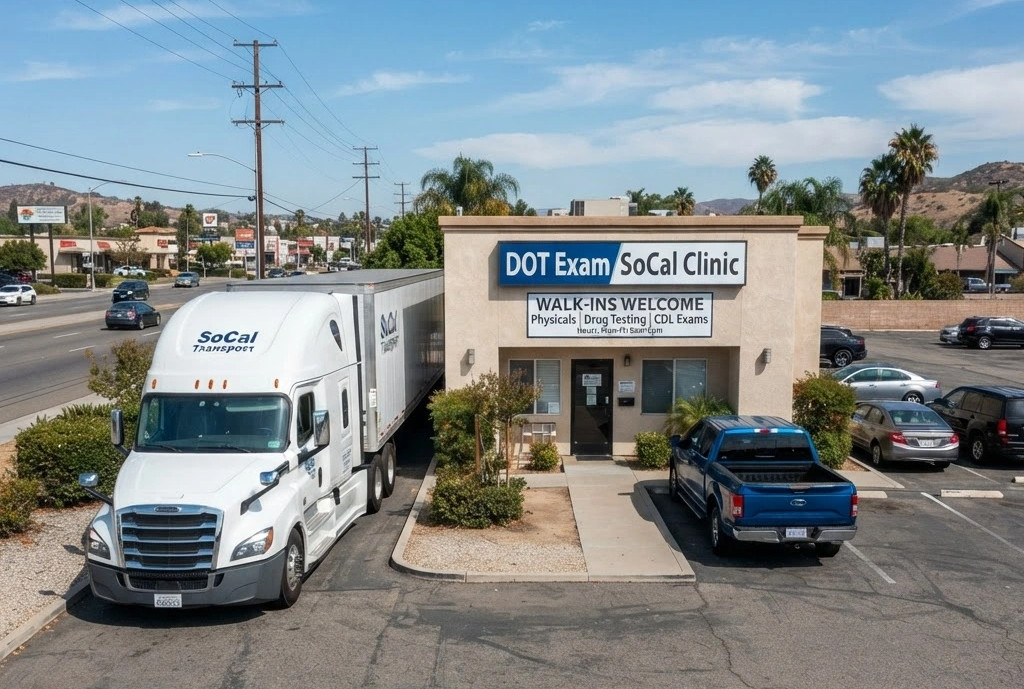
What the DOT physical is and why it is required
A DOT physical is a medical exam required for many commercial motor vehicle drivers. It helps confirm that a driver can safely handle the physical and mental demands of driving a commercial vehicle.
Commercial driving can involve long hours, changing sleep schedules, heavy traffic, tight delivery windows, and quick decision-making. A sudden medical event behind the wheel can put the driver and the public at risk. The physical exam is designed to reduce that risk.
The exam follows standards connected to the Department of Transportation and federal commercial driving rules. A driver applying for or renewing a Commercial Driver's License may need a valid medical certificate, often called a DOT medical card.
A DOT medical card is usually issued only after an exam by a medical professional listed on the National Registry of Certified Medical Examiners. In plain terms, the exam must be completed by a Certified Medical Examiner, often called a CME.
The DOT physical is not meant to replace regular medical care. It is a fitness-for-duty exam. The examiner does not take over long-term treatment, but they do review whether current health conditions could affect safe driving.
Who needs a DOT medical exam
Most drivers who operate commercial motor vehicles in interstate commerce must meet federal medical standards. Some intrastate drivers must also meet state or employer requirements.
A DOT exam may be required for drivers who operate vehicles that meet certain weight, passenger, or hazardous materials criteria. CDL holders often need to keep a valid medical certificate on file, depending on the type of driving they do and how they self-certify with their state licensing agency.
The language can get confusing because drivers often hear many terms at once: CDL, DOT, FMCSA, medical card, medical certificate, and physical exam. The Federal Motor Carrier Safety Administration, commonly known as FMCSA and sometimes searched for as FMSCA, sets many of the rules that apply to interstate commercial driving.
If there is any doubt about whether a medical card is required, the driver should check with the state driver licensing agency, employer, or motor carrier. Requirements can vary based on vehicle type, cargo, route, and operating status.
What happens during the DOT physical
A DOT physical is usually straightforward, but it is detailed. The examiner reviews medical history, current symptoms, medications, physical findings, and any condition that could affect driving safety.
Drivers should expect several basic checks.
Medical history review
The examiner will ask about current and past medical problems. This can include:
High blood pressure
Heart disease or prior heart procedures
Diabetes
Sleep apnea
Neurological conditions
Seizures or loss of consciousness
Vision or hearing problems
Mental health conditions
Medication use
Alcohol or substance-related history
Surgeries or hospital stays
Drivers should answer honestly. Leaving out a diagnosis or medication can cause bigger problems later, especially if records are requested or symptoms appear during the exam.
Vision test
Drivers must meet vision standards or qualify under applicable vision rules. The examiner may check distance vision, peripheral vision, and color recognition.
Drivers who use glasses or contacts should bring them. If a glasses or contacts restriction applies, it will usually be noted on the medical certificate.
Hearing test
The hearing portion may involve a forced whisper test or audiometric testing. Hearing aids may be allowed if they help the driver meet the standard. Drivers who use hearing aids should bring them fully charged and in working order.
Blood pressure and pulse
Blood pressure is one of the most common reasons drivers receive a shorter certification or need follow-up. The examiner will check blood pressure and may repeat it if the first reading is high.
Stress, caffeine, nicotine, poor sleep, pain, and missed medication can all raise blood pressure on exam day. Drivers with hypertension should prepare carefully.
Urinalysis
A urine test is part of the DOT physical. It commonly checks for indicators such as glucose, blood, protein, and specific gravity. This is not the same as a federal drug test, although an employer may require drug testing separately.
Abnormal urine findings do not always mean disqualification, but they may lead the examiner to request more information.
Physical examination
The examiner checks general appearance, breathing, heart sounds, reflexes, strength, coordination, abdomen, spine, and overall functional ability. The goal is to see whether a driver has a condition that could interfere with safe vehicle operation.
How long a DOT medical card lasts
A DOT medical certificate can be issued for up to 24 months if the driver meets the medical standards. Some drivers receive a shorter certification period.
A shorter card may be issued when a condition needs closer monitoring. High blood pressure, diabetes, heart disease, sleep apnea, or certain medication use may lead to a shorter certification, depending on control, documentation, and medical history.
A shorter card is not always a bad outcome. It can allow a driver to stay medically qualified while continuing treatment and follow-up.
Preexisting medical conditions do not always mean disqualification
Many drivers worry that a diagnosis will end their driving career. In many cases, the real issue is whether the condition is stable, treated, documented, and unlikely to interfere with safe driving.
The examiner looks at safety risk. A driver with a controlled condition and clear records is often in a stronger position than a driver who has symptoms, missed appointments, or incomplete documentation.
A preexisting condition is usually easier to review when the driver brings clear records, current medication information, and proof of stable treatment.
Here are common conditions that may need extra preparation.
High blood pressure
Hypertension is one of the most common issues in DOT exams. Drivers should take prescribed medication as directed, avoid skipping doses, and bring a current medication list.
To prepare:
Check blood pressure at home or with a healthcare provider before the exam.
Avoid heavy caffeine, energy drinks, nicotine, and salty meals before the appointment.
Get a good night’s sleep if possible.
Bring recent readings if blood pressure has been monitored.
If blood pressure is too high, the examiner may issue a short-term certificate or ask for treatment before certification.
Diabetes
Drivers with diabetes should bring records that show the condition is monitored and controlled. This may include recent lab results, medication lists, and information from the treating clinician.
Drivers using insulin may need specific documentation under current federal rules. The examiner may ask for forms or records showing stable management and no unsafe episodes, such as severe hypoglycemia.
Helpful items include:
A current medication list
Recent A1C results, if available
Blood sugar logs, if used
Notes from the treating clinician
Information about any low blood sugar episodes
Sleep apnea
Sleep apnea is common among commercial drivers and can affect alertness. A diagnosis does not automatically prevent certification, but untreated or poorly controlled sleep apnea can be a concern.
Drivers using a CPAP machine should bring compliance reports if available. These reports help show that treatment is being used consistently.
Before the exam, drivers should make sure their equipment is working and ask their sleep clinic or equipment provider how to print or access a usage report.
Heart disease
Drivers with a history of heart attack, stent placement, bypass surgery, chest pain, rhythm problems, or heart failure may need records from a cardiologist.
The examiner may request details such as:
Diagnosis and treatment history
Current symptoms or lack of symptoms
Medication list
Test results, when relevant
Clearance or follow-up notes from the heart specialist
Drivers should not wait until the exam day to collect these records. Cardiology offices may need time to prepare them.
Mental health conditions and medications
Conditions such as depression, anxiety, PTSD, or attention-related disorders do not automatically disqualify a driver. The examiner will focus on stability, side effects, and whether symptoms could affect safe driving.
Some medications can cause drowsiness, slowed reaction time, dizziness, or other side effects. Drivers should bring a complete medication list and avoid changing medications right before the exam unless directed by their treating clinician.
Vision or hearing problems
Drivers with known vision or hearing issues should bring corrective devices to the exam. This includes glasses, contacts, hearing aids, and any specialist records if there has been recent treatment or testing.
Waiting until the DOT appointment to discover an expired prescription can lead to avoidable delays.

How to prepare for the DOT exam with a preexisting condition
Preparation is the best way to avoid delays. A driver with a medical condition should treat the DOT exam like a safety review, not a surprise test.
Gather medical documents early
Start collecting records before the appointment. Bring copies instead of relying on memory.
Useful documents may include:
Current medication list with dosages
Names and contact information for treating clinicians
Recent lab results
Specialist notes
CPAP compliance report
Blood pressure logs
Blood sugar logs
Hospital discharge summaries, if recent
Test results related to the condition
The examiner may not need every document, but having them ready can save time.
Take medications as prescribed
Drivers should take regular medications as directed unless their treating clinician gives different instructions. Skipping blood pressure medication, diabetes medication, or other prescribed treatment before the exam can affect results.
It also helps to bring medication bottles or a printed list from the pharmacy.
Avoid common exam-day mistakes
Small choices can affect exam results, especially blood pressure.
Before the appointment:
Avoid energy drinks and excess caffeine.
Avoid heavy salt intake.
Do not smoke or use nicotine right before the exam if possible.
Drink water so a urine sample is easier to provide.
Bring glasses, contacts, or hearing aids.
Arrive early to reduce stress.
A rushed driver who is tired, dehydrated, and full of caffeine is more likely to have a difficult exam.
Be honest about symptoms
The examiner needs accurate information to make a fair decision. If a driver has chest pain, fainting, severe dizziness, uncontrolled blood sugar, daytime sleepiness, or medication side effects, those symptoms need medical attention.
Honesty protects the driver’s health and everyone on the road.
Schedule follow-up before the card expires
Drivers with chronic conditions should not wait until the last week before the medical card expires. If records are missing or a follow-up visit is needed, a tight deadline can create unnecessary stress.
A better approach is to schedule the DOT physical early enough to handle any record requests or treatment updates.
What can cause a delay or denial
A DOT medical certification may be delayed if the examiner needs more information. That is different from a permanent disqualification.
Common reasons for delay include:
Very high blood pressure
Missing specialist records
Uncontrolled diabetes concerns
Untreated sleep apnea symptoms
Recent heart event without follow-up records
Medication side effects that may impair driving
Vision or hearing standards not met
Incomplete medical history
If certification is not issued right away, ask what information is needed and how to provide it. Clear instructions can help the driver move forward.
What to bring to the DOT physical appointment
Use this checklist before leaving for the exam.
Bring this | Why it helps |
Valid photo ID | Confirms identity for the exam record |
Glasses or contacts | Needed for accurate vision testing |
Hearing aids | Needed if used to meet hearing standards |
Medication list | Helps the examiner review treatment and side effects |
Medical records | Supports review of preexisting conditions |
CPAP report | Shows sleep apnea treatment use |
Blood pressure or glucose logs | Shows condition control over time |
Specialist letters | Helps document stability and follow-up care |
Drivers near major freight corridors, including areas such as Fontana and Bakersfield, often schedule around routes, deliveries, and renewal deadlines. The same rule applies anywhere in the country: bring records the first time so the exam is less likely to stall.
Frequently asked questions about the DOT physical
Can I pass a DOT physical with high blood pressure?
Yes, many drivers pass with high blood pressure if it is within acceptable limits and properly managed. Very high readings may lead to a shorter medical card, treatment referral, or delay until blood pressure improves.
Does diabetes disqualify me from getting a DOT medical card?
Not always. Many drivers with diabetes can be certified when the condition is controlled and properly documented. Drivers using insulin may need specific medical forms or records.
Will sleep apnea make me lose my CDL?
Sleep apnea by itself does not automatically mean losing a CDL. Untreated sleep apnea can be a safety concern. Drivers using CPAP therapy should bring compliance documentation when available.
What happens if I fail the DOT physical?
The examiner should explain the reason. In some cases, the issue can be corrected with treatment, updated records, specialist clearance, or a repeat test. A failed or delayed exam does not always mean the driver is permanently disqualified.
How often do I need a DOT physical?
A medical card can be valid for up to 24 months. Some drivers receive shorter certification because of blood pressure, diabetes, heart conditions, sleep apnea, or other medical concerns that need closer monitoring.
Final takeaway for drivers preparing for the DOT physical
A DOT physical is easier when health conditions are managed and records are ready. Preexisting medical conditions do not have to stop a driving career, but they do require planning.
Before the appointment, gather documents, take medications as prescribed, bring corrective devices, and allow enough time for follow-up if needed. The best outcome is a clear exam, a valid medical card, and confidence that the driver is safe to stay on the road.
This article is for general information only and does not replace medical advice. Drivers with specific health concerns should speak with their treating clinician or a qualified DOT medical examiner before the exam.
Comments